

Soil Health · Science · Regenerative Agriculture

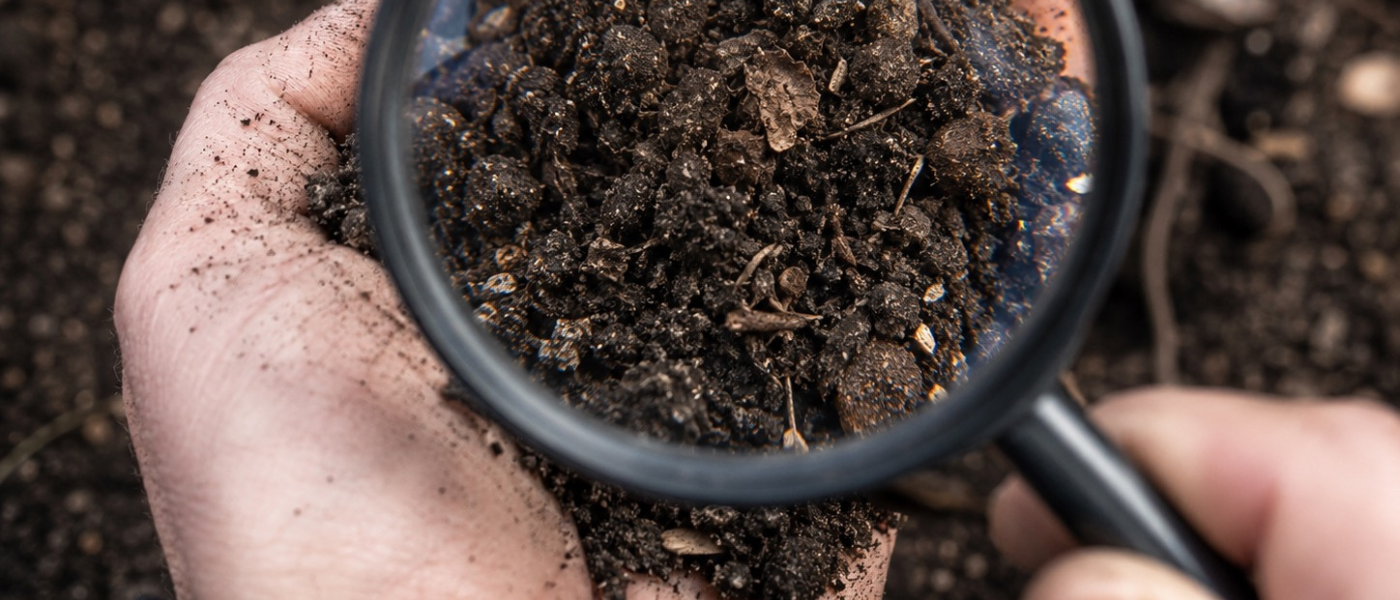
Most people never think about the soil their food grows in. But soil isn't just dirt — it's a living ecosystem. And what happens underground shapes everything that ends up on the plate.
Modern agriculture has largely ignored this. In the race for higher yields and lower costs, industrialized farming stripped the earth of its microbial diversity — the bacteria, fungi, and organisms that help plants absorb nutrients and produce the compounds that support human health. The result is crops that grow fast but deliver less.
At Big Bold Health, the belief is different: the way something is grown determines what it's worth. That's why the work doesn't stop at the product — it starts at the seed.
Why Soil Health Matters for Human Health
Polyphenols are plant compounds linked to immune wellness, healthy aging, and cellular resilience. They're found in fruits, vegetables, and seeds — but their concentration in any given food is not fixed. It's shaped by the environment the plant grows in, including the health of the soil microbiome.
Research has shown that specific soil microbes — particularly bacteria and mycorrhizal fungi — can influence how plants grow and what nutrients they produce. A diverse, thriving soil microbiome creates a more resilient plant. A more resilient plant produces more of the protective compounds the body needs.
This is the soil-plant-human health connection. And it's exactly what the research at Big Bold Health set out to explore.
The Big Bold Health Soil Inoculation Study
Himalayan Tartary Buckwheat (HTB) is already one of the most polyphenol-rich seeds on the planet. It contains notably high concentrations of rutin and quercetin — flavonoids associated with immune balance and healthy aging. But the question became: could the polyphenol potential of HTB be enhanced even further by improving the soil it grows in?
To find out, a pilot study was conducted examining the effects of inoculating HTB seeds with three conditions:
Mycorrhizal Fungal Inoculants
Beneficial fungi applied to seeds prior to planting to support root development and nutrient uptake.
Bacterial Inoculants
Soil bacteria introduced to enhance the microbial environment surrounding the growing plant.
Combined Inoculants
Both fungi and bacteria applied together — the combination condition showing the most notable trend.
Seeds were planted, grown, and harvested. Nutrient content in the leaves, seeds, flour, and bran was then evaluated.
Key Finding
HTB crops treated with the combination of bacteria and fungi showed a tendency toward higher rutin concentration in the bran compared to untreated controls — directionally aligning with the hypothesis that healthy soil microbiomes support higher polyphenol output.
Regenerative Farming as a Long-Term Investment
This research reflects a broader commitment at Big Bold Health. HTB is regeneratively grown on small U.S. farms using USDA Certified Organic practices and non-GMO heirloom seeds. These aren't just marketing checkboxes — they represent an approach to agriculture that actively works to restore soil health rather than deplete it.
Microbial Diversity
Regenerative practices rebuild the bacterial and fungal communities that industrial farming has stripped from the soil.
Reduced Intervention
Fewer synthetic inputs means the soil ecosystem can function and self-regulate the way it was designed to.
Long-Term Recovery
Land given time and the right conditions to recover produces crops with greater nutritional integrity.
The soil inoculation study is one piece of an ongoing body of work exploring how the growing environment shapes nutrient potential. It's the kind of research that takes time and commitment to pursue — because the payoff isn't just better products. It's a better understanding of the relationship between the earth and human health.
What This Means for HTB Products
Every bag of HTB Sprout Powder and HTB Flour starts here — with seeds selected for their polyphenol potential, grown in carefully tended soil, harvested and minimally processed to protect the nutrients that make them worth taking in the first place.
This is what "food is medicine" actually looks like in practice. Not a label claim. A supply chain built around the belief that the quality of the ingredient depends on the health of the environment it came from.
The Takeaway
Soil health and human health are not separate conversations. The microbes in the ground, the diversity of the farming ecosystem, and the care taken at every step of the growing process all leave an imprint on the food that ends up in the body.
The research is still unfolding. But the direction is clear: doing things the right way — starting with the soil — matters. For the planet, for the plant, and for the people who consume it.
Regeneratively farmed. Minimally processed. Polyphenol-rich.


